



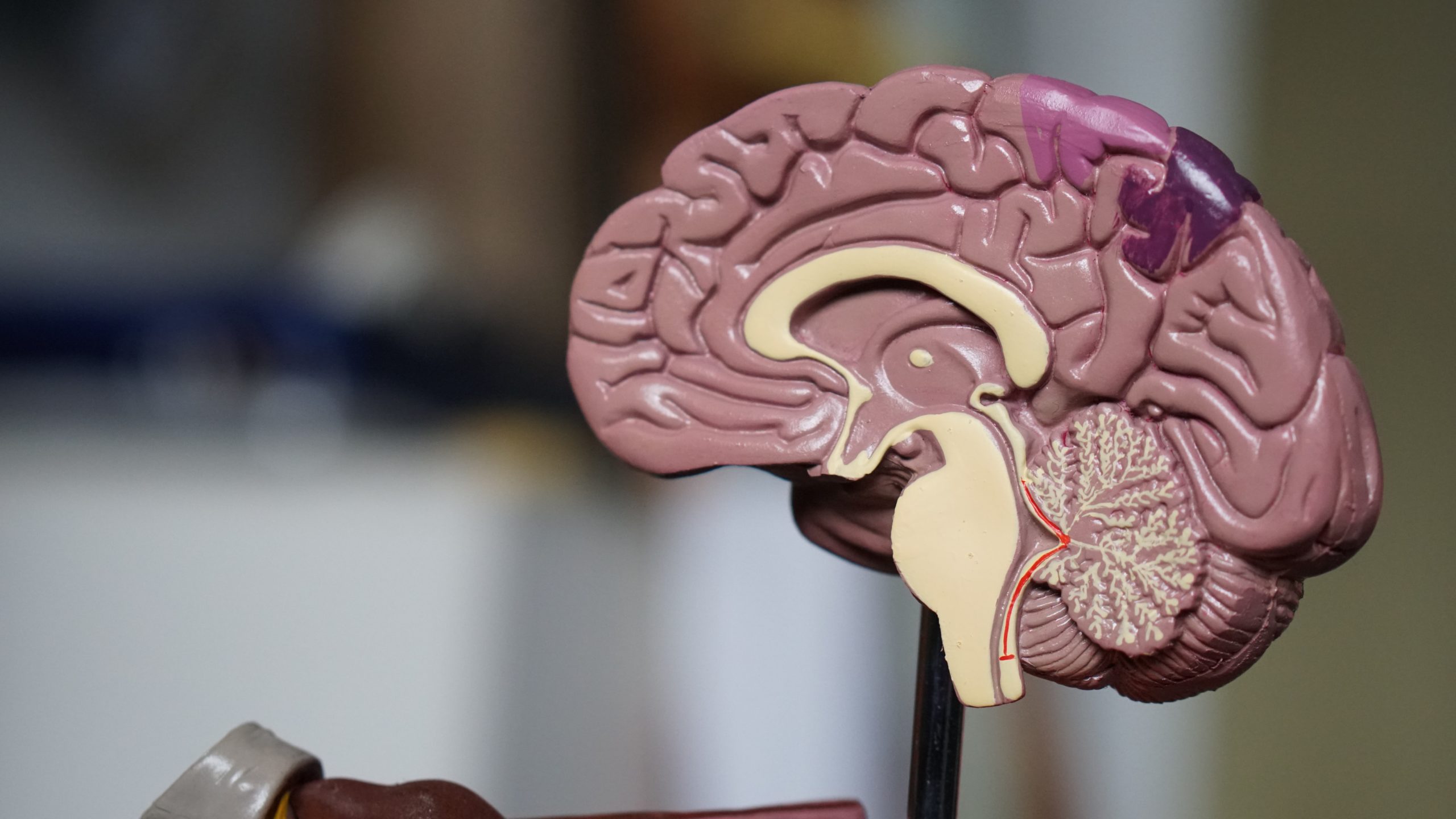
Can Brain Composition Affect a Defendant’s Outcome in Court?
The media has been buzzing over the past year about the impact that traumatic brain injury caused by repeated hits is having on contact sport athletes. In addition to dementia, head trauma is inspiring some veterans of professional contact sports such as football and hockey to become either suicidal, violent or both. In fact, several players have recently committed misdemeanors and felonies that family, physicians and attorneys are linking to their work-related head trauma. This behavior is not unlike the depressed and violent behavior exhibited by some veterans who have suffered similar kinds of head trauma.
Ordinarily, individuals are held accountable for their criminal behaviors unless they are declared to be mentally incompetent. However, individuals who have suffered brain trauma may be simultaneously competent and deeply affected by their brain’s response to trauma. This issue of competency and trauma is leading some in the legal and medical fields to question whether the criminal justice system should be accounting for the fact that traumatized individuals may be simultaneously competent in legal terms but also so affected by their brain trauma that holding them directly accountable for certain actions is both illogical and unjust.
Just as a person with a mental disability should not be held responsible for actions he or she does not either understand or have control over, it makes little sense to hold a traumatized individual accountable for actions he or she does not understand or have control over in the moment. Certain kinds of head trauma can lead to this type of isolated behavior and lack of understanding and control over it in the moment.
The intersection of neuroscience and the law will likely increasingly inform the outcome of criminal cases in the future.
Attorneys and physicians alike are increasingly linking certain criminal behavior by those guilty of misdemeanors and felonies directly to severe or repeated minor head trauma. In a challenging twist of fate, these individuals tend to be held criminally accountable for these actions, even if they have little to no control over them in the moment due to their brain trauma, because they are considered legally competent in broad ways.
An individual affected by severe or repeated minor head trauma may be legally competent most of the time. Unlike an individual with serious mental disability or illness, the effects of head trauma may not be at the forefront of an individual’s actions at all times. However, legal and medical experts are increasingly convinced that some criminal behaviors may be tied directly to head trauma. At this point, is it either logical or just to hold these individuals accountable for their actions?
Some criminal defense attorneys are increasingly submitting medical studies and brain imaging as evidence that their traumatized clients should not be held legally accountable for their actions. In addition, high-profile organizations including the MacArthur Foundation Research Network on Law and Neuroscience are attempting to dissect the intersection of neuroscience and criminal law in order to ensure that traumatized defendants are treated as appropriately and fairly as other impaired individuals currently are.
The treatment of traumatized individuals in the criminal justice system remains inconsistent and the impact of trauma on the actions of these individuals is dismissed by many. However, it is likely that this intersection of law and medicine will increasingly inform the treatment of traumatized defendants in the future. How fast progress will be made and to what extent have yet to be determined.
Source: ABA Journal, “Brain trials; Neuroscience is taking a stand in the courtroom,” Kevin Davis, Nov. 1, 2012