









As former Florida prosecutors, we’ve tried hundreds of cases and bring a rare insider’s perspective to every defense. We understand how cases are built on both sides, which helps us negotiate more effectively, positioning each case for the strongest possible outcome.
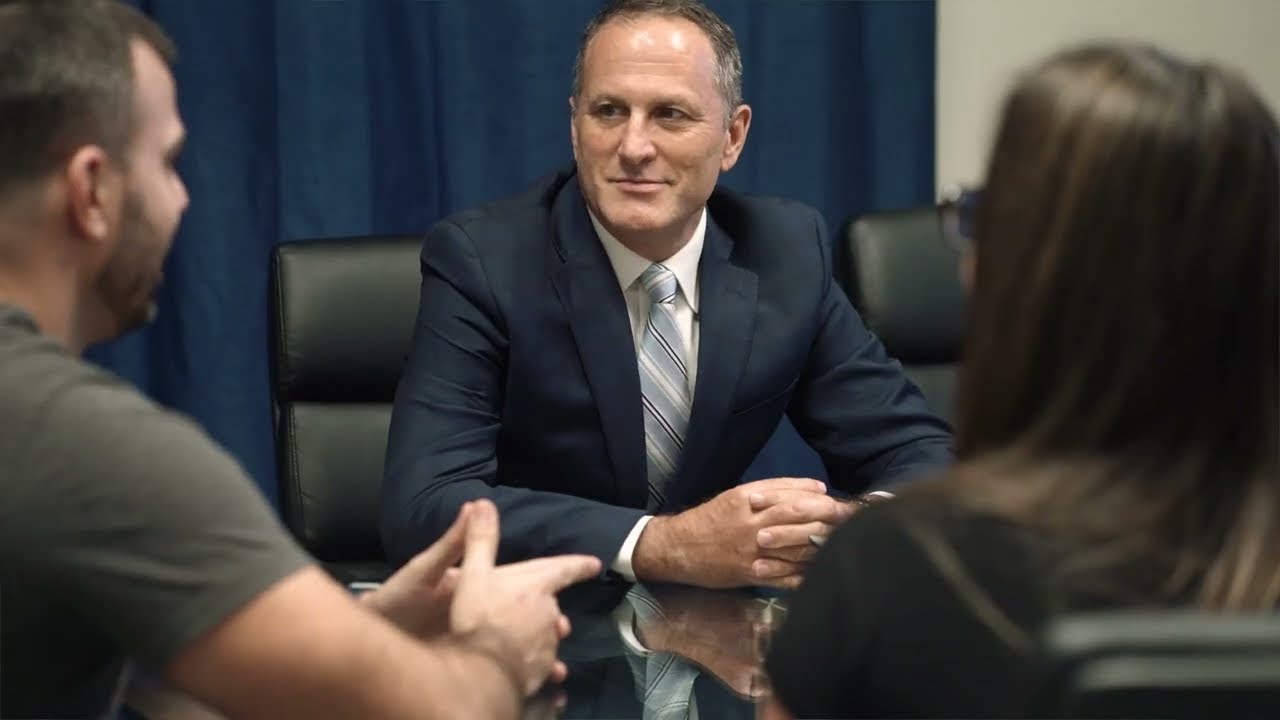
The trial process for a suspected criminal is often one filled with uncertainty. The prosecution may have offered you a plea deal in the initial stages of the case, but you were adamant about allowing the jury to rule on your innocence. As the trial played its course, you realized that whether you were innocent or guilty did not matter, but rather your fate depended on what could be proven. To your dismay, the jury found you guilty of all charges and you were sentenced to decades in prison. You may feel as if all hope is lost, but the legal system has avenues in place that allow you to challenge the judicial ruling. By appealing your case, you can have your penalties lessened or even have your criminal conviction reversed, but this is most possible with the help of a criminal appeals lawyer.
The Orlando appeals lawyers at The Umansky Law Firm can help you appeal the unfavorable court decision. Many factors go into a criminal trial, and mistakes often occur during the process that ends up having a drastic effect on the outcome of the case. We are here to bring to light any unjust circumstances that led to your criminal conviction. Speak with an experienced criminal attorney today if you wish to have your case retried in the court of law.
You cannot pursue an appeal simply because the final ruling did not favor you. You must have legitimate considerations for the courts to rule on if you have hopes of having your appeal granted. Although errors may have occurred during the trial process, they do not serve as grounds for an appeal if they did not affect the outcome of the case. Such errors are referred to as harmless errors. Some legitimate concerns that may warrant an appeal include:
The average person is often unaware when errors occur during their trial unless they’re informed of them by their attorney. In the instance you suspect something went wrong with your case, but you just can’t put your finger on it, and your attorney is of no help, consult with an Orlando appeals lawyer at The Umansky Law Firm. We can help present your appeal in a manner that favors an approval and serve as your legal representation throughout the process.
Having your appeal granted isn’t the end all be all. You must then go through appellate court. If they uphold the lower court’s decision, then your case ends unless you choose to appeal to a higher court. If the appeals court dismisses your appeal, the lower court’s decision will also remain. In the instance that the appeals court reverses the judgment, they will usually remand the case (send it back to the lower court) and request that they take further action which can be any of the following:
Technically your trial attorney could handle your appeal, but using the same lawyer is sometimes unwise. For one, trial skills are very different from appellate skills. Since so much is riding on your appeal, it is essential to trust the matter to an attorney with experience in criminal appeals. An appellate attorney will read the trial record and look at everything with fresh eyes. If you use your trial attorney, they may miss a ground for appeal that an uninvolved attorney might catch.
Perhaps the most important reason to use a different attorney for your appeal is that ineffective assistance of counsel is a common ground for appeal. Your trial attorney may be unwilling or unable to recognize how their mistakes or oversights impacted your case.
According to Florida Rules of Appellate Procedure 9.140, you must file your notice of appeal within 30 days of the date the court enters the final judgment on your case. This is not necessarily the date of your sentencing or the date the judge notified you of the court’s decision.
It is essential to contact an appellate attorney as quickly as possible when you learn your case had a negative outcome. They can monitor court filings to determine when the final judgment was entered and ensure your notice of appeal is filed within the 30-day deadline.
It is very rare for the courts to extend an appeal deadline, and it happens only in extraordinary circumstances like a natural disaster or a serious accident or illness. However, filing specific post-judgment motions can pause the deadline until the judge decides on the motion. Speak with your trial attorney about whether there are grounds for filing a post-judgment motion that can pause the clock on the 30-day deadline.
When the trial court receives your Notice of Appeal, it compiles the trial record, which is called the Record on Appeal. This record includes transcripts of all the proceedings plus any evidence presented at the trial. The Record on Appeal is sent to the Appellate Court and provided to your Orlando appellate attorney and the state’s attorney.
Once the Record on Appeal is issued, your appellate attorney has 70 days to file a brief. This is a legal document explaining the errors that affected the outcome of your case and describing why the appellate court should grant the appeal. Your appellate attorney also serves this brief to the state’s attorney, who has 20 days to submit an answering brief countering your arguments and supporting the trial court outcome. Your Orlando appellate attorney then has 20 days after receiving this answer brief to file a reply brief refuting the state attorney’s arguments.
The Orlando appeals lawyers at The Umansky Law Firm are here to fight for you. Having an appeal granted is no simple task but possible when you have the right legal professionals in your corner. Contact us today for a free case evaluation. Our team of Board Certified Trial Lawyers are here to guide you through every step of the appeals process, including direct appeals.
The Umansky Law Firm Criminal Defense & Injury Attorneys

The Umansky Law Firm Criminal Defense & Injury Attorneys