









As former Florida prosecutors, we’ve tried hundreds of cases and bring a rare insider’s perspective to every defense. We understand how cases are built on both sides, which helps us negotiate more effectively, positioning each case for the strongest possible outcome.
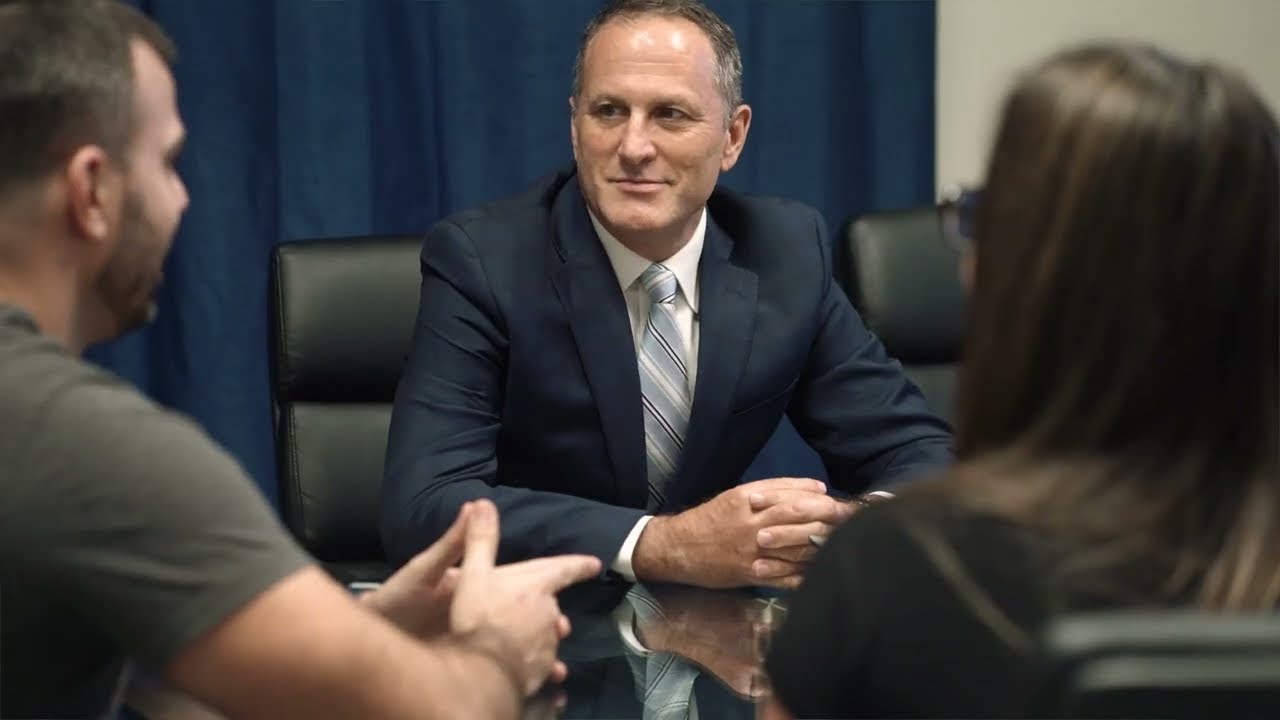
If you’ve been recently arrested for assault or battery, then it’s likely that you’re feeling overwhelmed and uncertain of what to do next. You should reach out to a skilled defense attorney as soon as you can so that you can receive the quality defense that you deserve. Our Orlando assault lawyers are ready to work for you.
There are a range of potential consequences if you are convicted on an assault or aggravated assault, the below penalties are provided for reference only, and pertain to a first offense. It is essential that you talk with our attorneys about your specific criminal charges and case to understand the penalties you are facing. We handle all types of assault cases, including:
Misdemeanor Simple Assault:
First-Degree Felony Assault:
Second-Degree Felony Assault:
Third-Degree Felony Assault:
In addition, all individuals who commit crimes of domestic violence are also required to enroll in a batterer intervention program.
If you are charged with a second assault or battery offense in Florida, the second offense will automatically be charged as a felony. If you break into someone’s home or car and commit assault and battery, you can be charged with a life felony, punishable by life in prison.
Battery on an elderly person is a third degree felony in the State of Florida (784.08). In Florida, it is considered a battery in the third degree to push, smack, or injure any person over the age of 65 if the person committing the assault knows that the victim is indeed over the age of 65. The law does allow for stranger confrontations whereas the arrested person does not realize the person is 65 or over, but unfortunately, but with full knowledge the maximum punishment is often applied. Battery on an elderly individual could yield up to five years imprisonment in a state penitentiary for simply pushing the person. A judge could impose fines and 500 hours of community service along with criminal charges.
Not necessarily. Judges and prosecutors consider several factors before deciding on jail time, including your criminal history, the severity of the alleged injury, and the involvement of a weapon. Many first-time misdemeanor cases resolve through probation, diversion programs, or negotiated pleas rather than incarceration. Our team includes former state prosecutors, so we understand what the state considers when deciding how to proceed. We use that insight to pursue alternatives to jail whenever possible.
Many people use these terms interchangeably, but state law treats them differently. Assault refers to an intentional, unlawful threat of violence with the apparent ability to carry it out, without physical contact. Battery involves actual, intentional physical contact or striking another person against their will. Depending on the specific facts of the incident, the state may charge you with assault, battery, or both. The charge selected by law enforcement can significantly affect your potential penalties.
Not automatically. Once law enforcement makes an arrest, the decision to pursue or drop charges belongs to the state attorney’s office, not the alleged victim. Prosecutors can move forward with a case even if the accuser later chooses not to cooperate. However, a lack of cooperation from the victim can still weaken the state’s case. Our Orlando attorneys know how to use this in negotiations to seek a dismissal or reduced assault charge.
Our attorneys examine every detail of your arrest, including police reports, witness statements, and any available video footage, to identify weaknesses in the state’s case. We may challenge the accuser’s credibility, question whether the encounter was truly unwanted, or argue that you acted in self-defense. When appropriate, we also negotiate directly with prosecutors for reduced charges, diversion programs, or dismissal before your case goes to court.
Remain calm, avoid discussing the incident with law enforcement beyond providing basic identifying information, and refrain from posting about your arrest on social media, since prosecutors often review these posts. Contact our office as soon as possible to protect your rights from the earliest stages of your case. With multiple offices in Central Florida, our team can respond quickly no matter where your assault arrest occurred. The sooner we get involved, the more opportunities we have to gather favorable evidence, speak with witnesses, and build a strong defense on your behalf.
It’s important to keep your best interest in mind as you work to navigate your criminal case. Remember that the police have a job to do first and foremost, so they will be collecting information they need to file charges against you. You have to make sure that you have someone on your side willing to listen to your side and present your case. Our defense attorney will work diligently to make sure that your case is handled with fairness. He will do what it takes to gather the information necessary to provide the quality defense that you deserve.
At The Umansky Law Firm, our Orlando assault lawyers are dedicated to helping you protect your rights. To schedule a free case review contact us online.
The Umansky Law Firm Criminal Defense & Injury Attorneys

The Umansky Law Firm Criminal Defense & Injury Attorneys