











As former Florida prosecutors, we’ve tried hundreds of cases and bring a rare insider’s perspective to every defense. We understand how cases are built on both sides, which helps us negotiate more effectively, positioning each case for the strongest possible outcome.
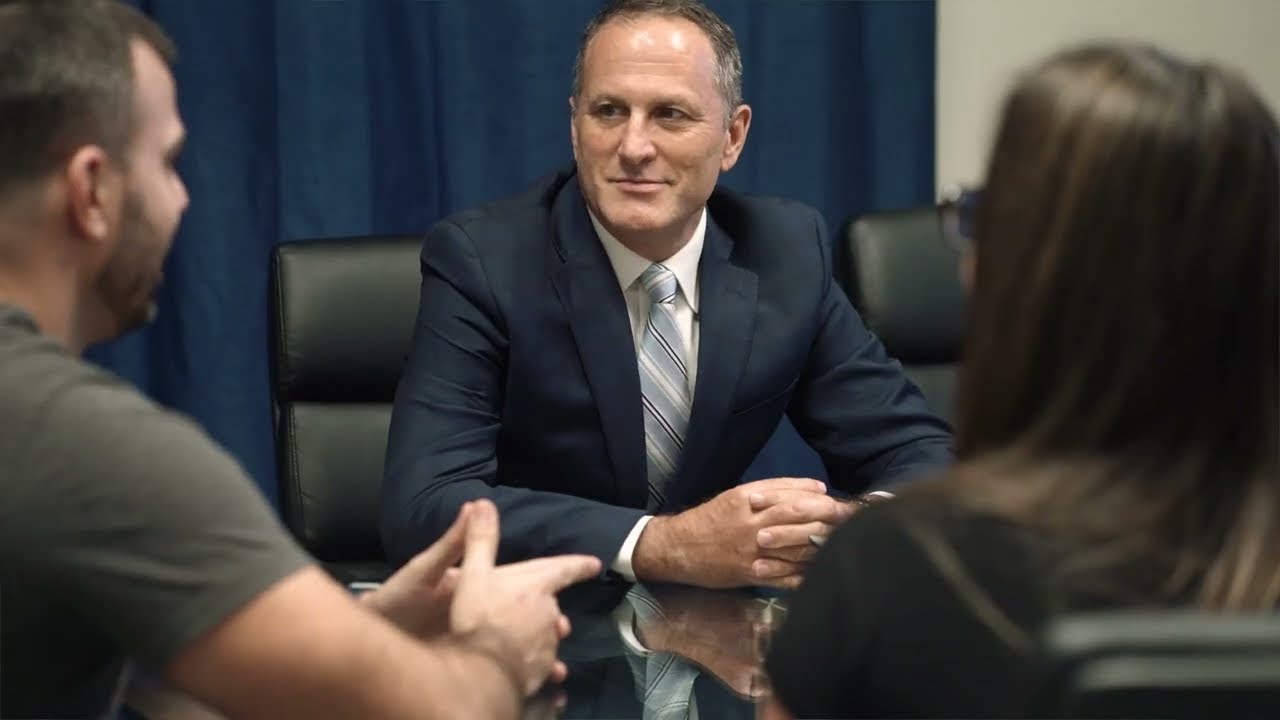
The purpose of a criminal appeal is to have an appellate court review a trial court’s proceedings for harmful legal or procedural errors that affected the outcome of the case. Only errors that were significant enough to impact the final judgment may result in a reversal of the decision. The appeals process helps ensure that legal decisions are consistent with established law, constitutional rights, and legal procedures, and are designed to promote fairness across the judicial system.
A Winter Park appeals lawyer could perform in-depth research to find legal precedents and statutes that support an argument for why the lower court’s decision in your case should be overturned or modified. Contact our criminal defense attorneys to find out what may be possible for your specific case.
In criminal cases, an appeal must be based on a significant and reversible legal or procedural error that occurred during the trial court proceedings. An appeal is not a new trial and does not typically involve presenting new evidence or witnesses. Instead, it is a review of the existing trial record for mistakes of law. Possible reasons to file an appeal include:
In rare cases, genuinely new and material evidence that was unavailable at the time of trial but would have substantially impacted the outcome may be grounds for a post-conviction challenge. However, this is often pursued through a separate motion rather than a direct appeal. A Winter Park attorney could help you evaluate what grounds you have to launch an appeal in your case.
You generally need to file an appeal within 30 days of the final judgment or order you wish to appeal. This deadline is firm, and failing to file an appeal before it arrives can lead to you losing your right to appeal.
There are rare exceptions, such as when ineffective counsel prevented a timely appeal. In some extraordinary situations, newly discovered evidence that was not available at trial and is significant enough to have changed the outcome of the case could provide grounds to extend the deadline.
An experienced Winter Park appellate lawyer could help you understand the specific deadlines and procedures for your case. Our attorneys at The Umansky Law Firm have significant experience in criminal law, including post-conviction relief, probation violations, and appealing criminal convictions in both state and federal courts.
A Winter Park appeals lawyer could write complex and persuasive appellate briefs, which are the main documents submitted to the higher court outlining the arguments for appeal. Our legal team includes former prosecutors who bring a wealth of experience from both sides of the courtroom to the appeals process. Contact us today to request your free case consultation.

The Umansky Law Firm Criminal Defense & Injury Attorneys
The Umansky Law Firm Criminal Defense & Injury Attorneys